Global Food Industry Trends Shaping What We Eat
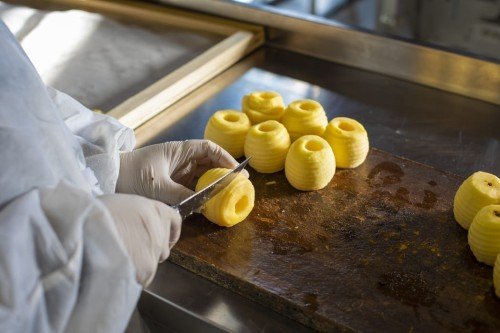
The way food is produced, distributed, and enjoyed is evolving at unprecedented speed. From sustainability pressures and digital innovation to changing consumer values and strict global regulations, every link in the food supply chain is being reshaped. Understanding the key patterns behind these changes is essential for manufacturers, retailers, restaurants, food-tech startups, and even small specialty brands that want to stay relevant and competitive in a crowded marketplace.
1. Plant-Forward Eating Becomes the New Normal
Plant-based products have moved from niche shelves to mainstream grocery aisles and quick-service menus worldwide. Consumers are not just targeting meat alternatives; they are also embracing plant-centric snacks, dairy replacements, plant-based seafood, and hybrid products that blend animal and plant proteins. This shift is driven by a mix of health awareness, environmental concerns, and ethical considerations around animal welfare. Brands that can deliver familiar textures and flavors while emphasizing clean labels and short ingredient lists are winning over flexitarians who want balance, not restriction.
2. Transparency, Traceability, and Trust Across the Supply Chain
Shoppers no longer accept vague claims; they demand specifics about sourcing, labor practices, and environmental impact. As a result, traceability technologies—from QR codes on packaging to blockchain-backed tracking systems—are becoming standard. Food businesses are expected to share detailed product journeys, from farm to fork, and document every transaction, certificate, and quality check. Even back-office processes, like how documents are issued and stored, are under scrutiny. Tools such as a invoice pdf generator help companies maintain accurate, consistent records that support transparent and auditable operations.
3. Functional Foods and the Rise of “Food as Medicine”
Consumers are increasingly seeking food and beverages that do more than satisfy hunger. Products fortified with probiotics, prebiotics, omega-3s, adaptogens, collagen, and botanicals promising stress relief, better sleep, or improved digestion are growing rapidly. The focus is shifting from reactive healthcare to proactive wellness, and food brands are positioning themselves as partners in long-term health. This trend is particularly strong in beverages, snacks, and breakfast items, where convenient formats meet functional benefits.
4. Hyper-Convenience and On-Demand Consumption
Busy lifestyles and urbanization are accelerating demand for hyper-convenient food solutions. Ready-to-eat meals, meal kits, frozen entrees, and instant preparation options are seeing continued innovation. At the same time, food delivery platforms and quick-commerce services are compressing delivery windows from hours to minutes. To thrive, brands must optimize packaging for portability, shelf life, and safety while maintaining taste and nutrition. Ghost kitchens, virtual brands, and dark stores are also transforming the way prepared food reaches consumers, enabling rapid experimentation with new concepts at lower risk.
5. Sustainability as a Core Business Strategy
Sustainability is no longer a marketing add-on; it is a foundational requirement. Companies are cutting food waste, optimizing water and energy use, and exploring regenerative agriculture to protect soil health and biodiversity. Upcycled ingredients—made from byproducts such as fruit pulp or spent grains—are becoming more visible in snacks, beverages, and bakery products. Packaging innovation is central, with a shift toward recyclable, compostable, or reusable materials and improved labeling that clearly communicates disposal instructions. Businesses that credibly measure and report their environmental impact gain a clear competitive edge.
6. Digitalization from Farm to Fork
The digital transformation of the food sector spans precision agriculture, automated processing plants, and AI-driven demand forecasting. On farms, sensors, drones, and smart irrigation systems help optimize inputs and yields. In factories and warehouses, robotics handle repetitive tasks, improve consistency, and reduce contamination risks. Data analytics support better inventory management, minimizing waste and stockouts. Even small and medium-sized companies are adopting cloud-based tools for procurement, logistics, documentation, and financial workflows, streamlining operations and enabling real-time decision-making.
7. Global Flavors, Local Adaptations
Consumers are exploring bolder flavors and cross-cultural mashups, from Korean-inspired sauces to Middle Eastern spices, Latin American street-food concepts, and Southeast Asian heat. However, local adaptation remains crucial: global brands tailor spice levels, portion sizes, and ingredient lists to respect local tastes and regulations. This balance of global inspiration with regional nuance is reshaping product development pipelines, encouraging collaboration with local chefs, food influencers, and culinary experts who understand authentic flavor profiles.
8. Premiumization Meets Affordability
Inflation and economic uncertainty have made affordability a priority, yet consumers still seek small moments of indulgence. This has sparked a “selective premiumization” trend: people trade up for items they truly care about—such as specialty chocolate, artisanal coffee, or high-quality cheese—while choosing budget options in other categories. Brands that offer tiered product lines, allowing shoppers to pick between mainstream and premium versions, can capture a wider audience without diluting their image.
9. Stricter Regulations and Food Safety Standards
Governments worldwide are tightening regulations on labeling, health claims, sugar and salt content, and allergen declarations. At the same time, enforcement around contamination, traceability, and cross-border trade is strengthening. Exporters must navigate varying standards and documentation demands, from certificates of origin to detailed shipping and customs paperwork. Efficient compliance systems, backed by reliable data and standardized documents, are becoming essential for maintaining market access and consumer confidence.
10. Direct-to-Consumer Models and Community Building
More food brands are bypassing traditional distributors to reach consumers directly via e-commerce platforms, subscription boxes, and social media shops. This direct-to-consumer approach enables better margins, richer customer data, and more agile product testing. At the same time, brands are investing in community building through online recipes, live cooking classes, and nutrition education. Loyal, engaged communities become powerful advocates, offering feedback that shapes future product lines and marketing strategies.
11. Automation, Labor Challenges, and Resilient Operations
Labor shortages and rising wage costs are pushing the food industry to rethink workflows. Automation is being deployed not only in manufacturing, but also in warehousing, order picking, and even front-of-house tasks in restaurants. While automation increases efficiency, it also requires upskilling staff to handle technical roles and oversee complex systems. Companies that successfully integrate human talent with smart machines build more resilient operations capable of handling demand spikes and disruptions.
Conclusion: Adapting to a Rapidly Changing Food Landscape
The global food industry is in the midst of a profound transformation driven by evolving consumer expectations, technological innovation, and regulatory pressure. Businesses that respond proactively—by embracing plant-forward product lines, investing in transparency and sustainability, digitalizing operations, and strengthening direct connections with consumers—will be best positioned to thrive. Success now depends on agility and a willingness to experiment, supported by robust systems and tools that keep quality, safety, and accountability at the center of every decision. The organizations that align their strategies with these powerful trends will shape not only what we eat today, but how future generations experience food tomorrow.